More about Le Tricoteur
What is a guernsey?
Considered the indigenous fisherman’s jumper, historically hand-made by the mothers and wives of fishermen, the guernsey is renowned for being hardwearing, weatherproof and warm.
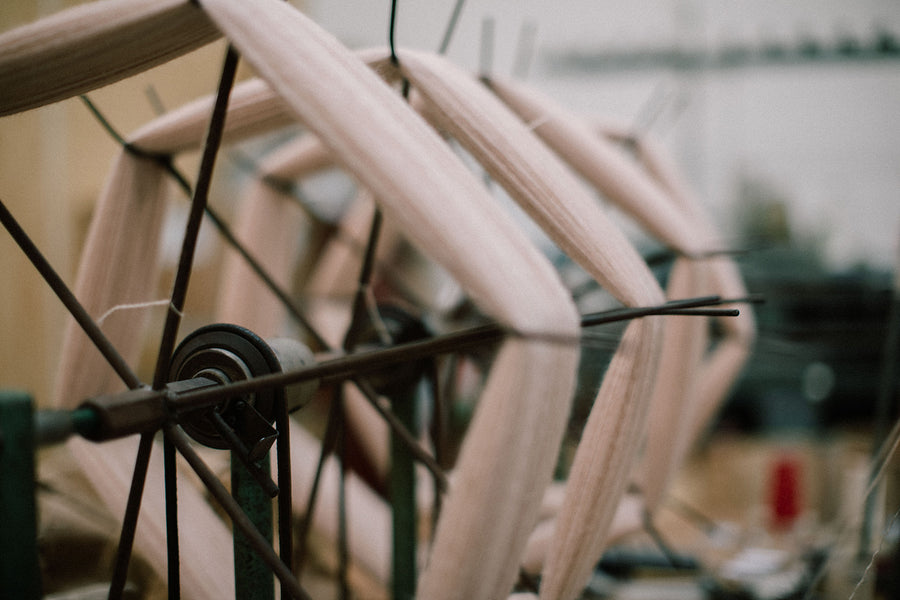
The use of 100% British accredited worsted wool which is tightly spun, when combined with very close-knitted stitches (Le Tricoteur knits guernseys on a higher gauge than what is typically found in high street knitwear, which means there are smaller & tighter stitches, resulting in more wool per inch) provide the properties that the guernsey is famous for – being sea spray as well as wind resistant.
While it is still considered workwear, it has also gained a loyal following from those who want to make more sustainable fashion-buying choices and choose a guernsey as a neutral everyday wardrobe item.
Le Tricoteur
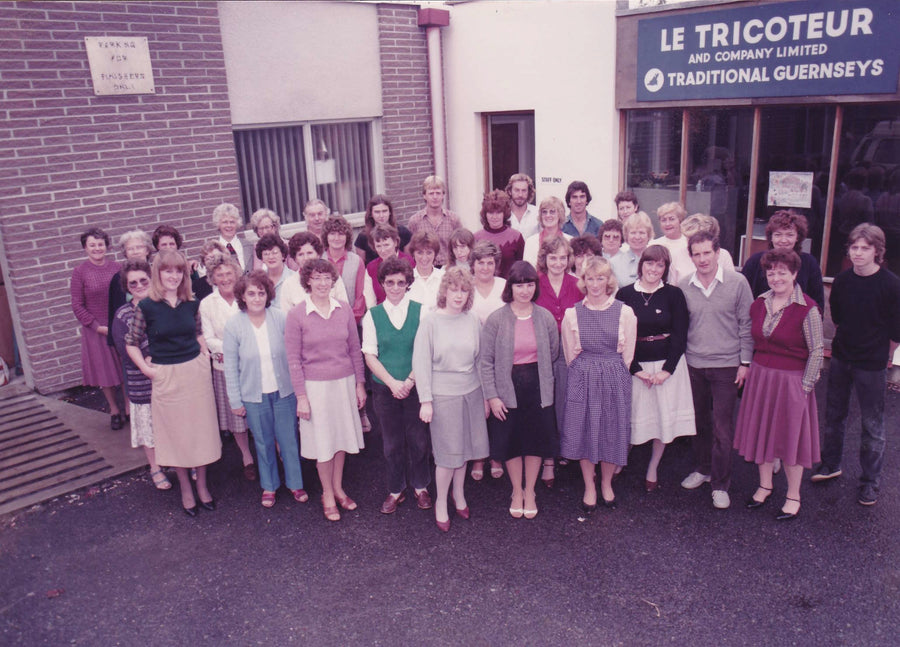
Le Tricoteur is the oldest existing maker of traditional guernsey knitwear made on the island of Guernsey. It is in its 61st year of manufacturing.
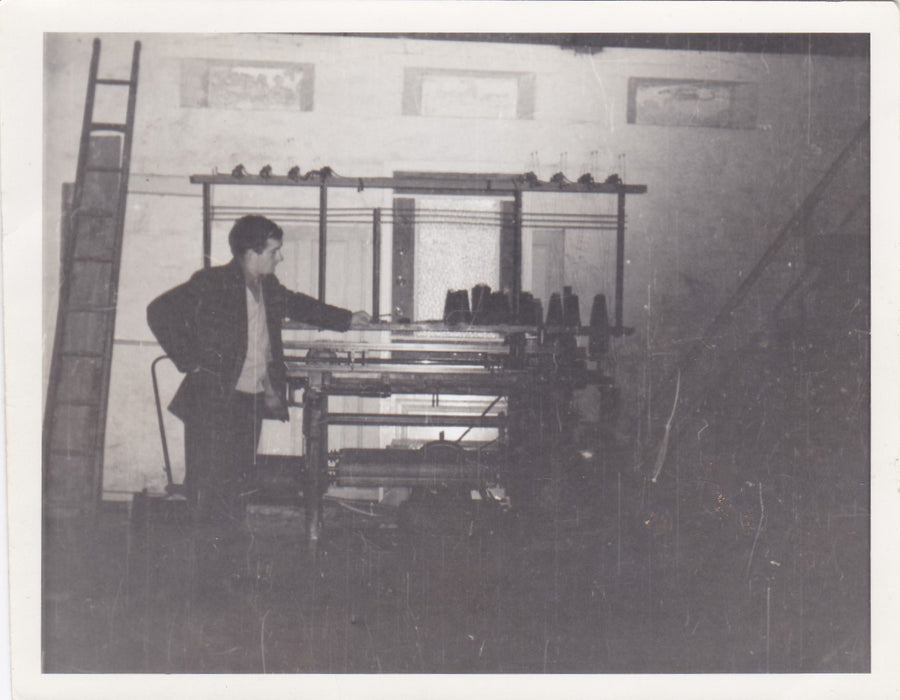
We are passionate about upholding the traditional manufacture of the guernsey and that’s what sets us apart from other guernsey brands. We are the only company using vintage machinery and hand knitters.
The bodies, sleeves and under-arm gussets of the guernseys are produced on very old, flat-bed knitting machines where the design is transferred to a bed of needles from a punch card and without the use of computers. The pieces are then delivered to a team of hand-knitters who work from home around the island. Shoulder seams are picked up and added and then the triangular neck gusset is fashioned before the necks get hand-knitted. Finally, the pieces are returned to the factory to be linked, ends mended in by hand, quality controlled and pressed. The process takes several weeks (around 5 weeks from start to finish) with the declaration label being hand-signed by each person at every stage.
A guernsey has various iconic elements and patterns included in its overall making. A diamond underarm gusset, a split seam at the hem and a triangular neck gusset are the 3 elements that make it easy to take on and off and make it flexible to wear in an active
labouring job without fear of splitting. It is also identical front to back, so can be and should be worn on rotation.
Then the different types of indicative stitching can be seen on the shoulders and
selvedge hem: the horizontal ribbed stitch makes up the ladder used to climb the
harbour wall after a day out at sea, the textured garter stitch running down the outer
chest represents little choppy waves. The raised seam across the shoulder is meant to look like a piece of uncoiled ship’s rope and along the hem there is more vertical rib stitch that look like nets hanging over the edge of the boats. More fine garter stitch below the “nets” is thought to represent compacted rippled sand at a very low tide.

A garment to last
The nature of the wool used means that the guernseys require very little washing, just a spot clean for any stains or spills most of the time. Wool’s natural properties mean that the guernseys don’t absorb smells as they’re resistant to bacterial growth.
The hand knit element of our guernseys means that if the garment needs mending after many years of wear, it is possible to undo and re-knit the necks and cuffs. We often hear of our guernseys being handed down through generations requiring only minimal mending after 40 or 50 years and because of the tiny stitches and long fibres in worsted wool, our guernseys never pill.
Properly cared for, they will last a lifetime.